
Views: 0 Author: Site Editor Publish Time: 2026-02-10 Origin: Site


Replacing fuel injectors on European diesel cars (e.g., Volkswagen TDI, BMW Diesel) or vehicles with Common Rail Fuel Injector systems demands precision, EU compliance, and familiarity with diesel-specific mechanics.
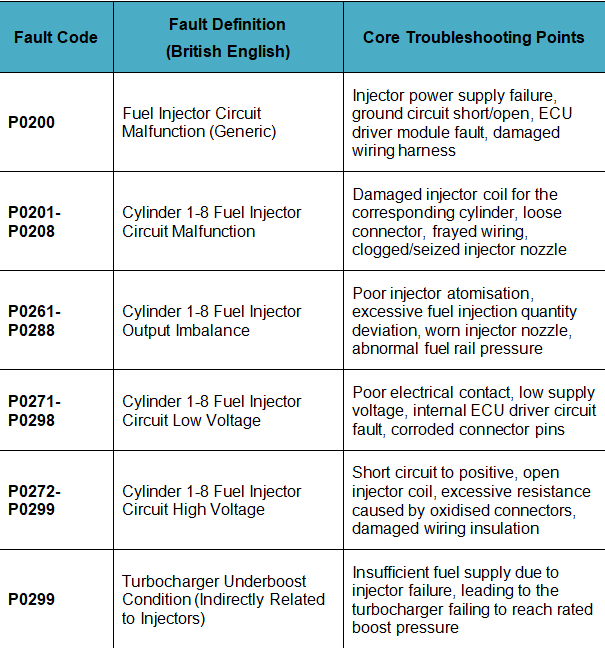
Key symptoms include excessive white smoke (unburned diesel), reduced towing power (critical for vans/trucks), cold-start rough idle, and P0201-P0205 fault codes. These are red flags for failing Common Rail Fuel Injector units.
Compliance check: Ensure replacement diesel fuel injectors have CE and ISO 9001 certifications. EU customs and inspection bodies strictly enforce these standards—non-compliant parts risk fines or vehicle impoundment.
Once diagnosed, gather specialized tools and EU-compliant materials—this is where diesel fuel injector replacement differs most from gasoline models. Cutting corners here leads to leaks or ECU errors.
Specialized tools (customsvehicle-recommended): EU-calibrated metric torque wrench (up to 50 N·m), Common Rail pressure relief tool, ultrasonic cleaner (for injector seats), and a diesel-specific scanner (e.g., VAG-COM for VW/Audi).
Critical materials: OEM Common Rail Fuel Injector (Bosch is ideal for most European diesels), RoHS-compliant heat-resistant O-rings, diesel-specific lubricant (never oil!), and industrial-grade fuel injector cleaner .
Safety prep: Depressurize the Common Rail via the scanner (Manually releasing pressure is very dangerous!). Work in a ventilated garage and keep a Class B fire extinguisher nearby (for diesel spills).
European diesel engines and Common Rail systems are more complex than gasoline setups. Follow these precise steps to ensure success—each detail aligns with EU maintenance best practices.
Prep work: Disconnect the battery and remove engine covers. Label hoses/harnesses (European engines have intricate wiring—photos help!). Clean surface oil to prevent corrosion .
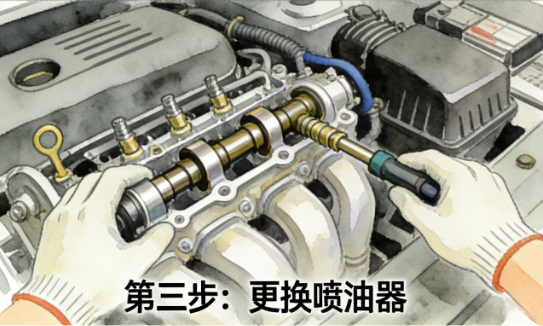
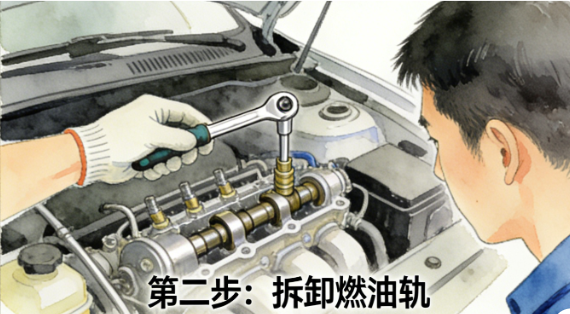
Remove the fuel rail: Loosen bolts in a crosswise pattern. For VW TDI models, handle plastic rail clips gently—they’re prone to breaking. Use a dedicated extractor to remove old injectors (no hammering—delicate cylinder heads!).
Install new injectors: Clean seats with the ultrasonic cleaner. Apply diesel lubricant to O-rings, then insert the Common Rail Fuel Injector until it seats. Verify the serial number matches your ECU’s coding requirements (mandatory for European models—missing this triggers fault lights).
Reassemble: Tighten rail bolts to 25–35 N·m (EU diesel standard). Reconnect all components—double-check hose connections to avoid leaks.
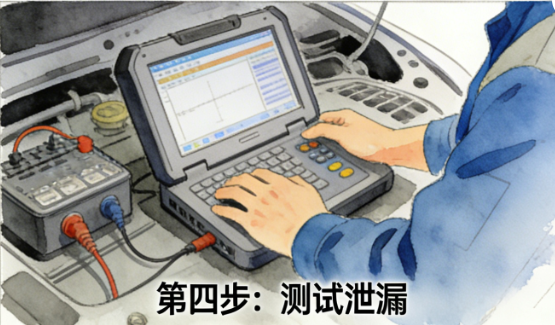
Post-installation calibration and testing are non-negotiable for Common Rail systems. Skipping these steps leads to poor performance or failed MOT/TÜV tests.
Calibration (mandatory): Use the diesel scanner to code new car fuel injectors to the ECU. This ensures fuel delivery precision (±3% deviation—EU’s strict standard for diesel engines).
Testing: Start turbocharged intercooler diesel engine and idle for 10 minutes. Monitor Common Rail pressure (30–100 MPa at idle) and check for leaks. Conduct a short road test to confirm no smoke or power loss.
Maintenance tips: Add fuel injector cleaner every 5,000 miles. Replace fuel filters every 20,000 miles— poor diesel quality is the top cause of diesel injector repair in Europe.
Cross-border note: If importing injectors (e.g., from China), declare certifications upfront.
If you’re struggling with engine selection, reach out: email larry@customsvehicle.com, or call/WhatsApp +86-19957983604. Our 15 years of expertise will deliver an engine that never wastes a unit of power.


